Vasavi Infra Solutions
In-depth technical articles, practical maintenance tips, real case studies, and expert guidance from our experienced engineering team — empowering you with knowledge to make informed decisions about your building's structural health and longevity.
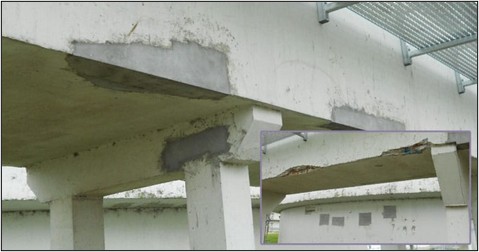
Complete seepage rectification project at Balaji Nilayam, Tarnaka, Hyderabad. From identifying sources of seepage to global and local repairs — see how we successfully fixed water leakage issues and restored structural integrity.
.jpeg)
Professional seepage and leakage inspection for commercial buildings. Detect hidden moisture problems early, prevent structural damage, and protect your commercial property with expert inspection services.
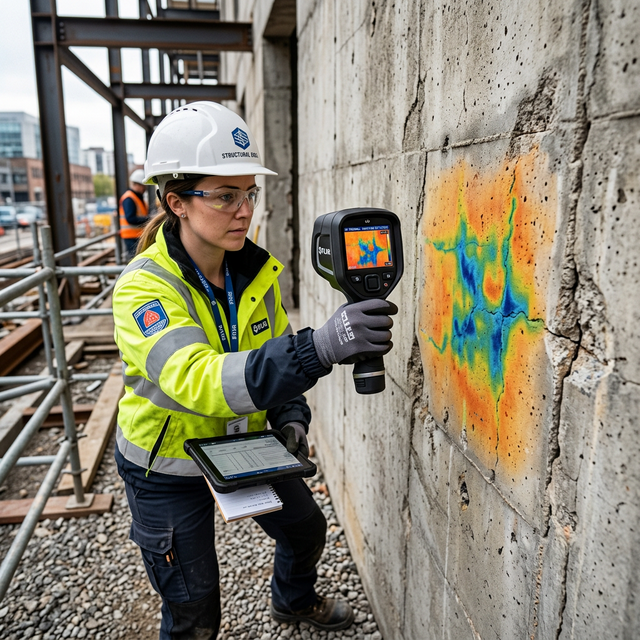
Infrared thermographic imaging (IR Thermography) has revolutionized building diagnostics by allowing engineers to see what the naked eye cannot. When moisture infiltrates a building envelope, it changes the thermal properties of materials — causing temperature differentials that an IR camera can detect and map with precision.
At Vasavi Infra Solutions, we use professional-grade IR cameras during all structural health monitoring inspections. In a recent handover inspection at Aparna Zicon, Nallagandla, IR imaging revealed 7 zones of dampness at ceiling and wall junctions that were completely invisible during visual inspection...
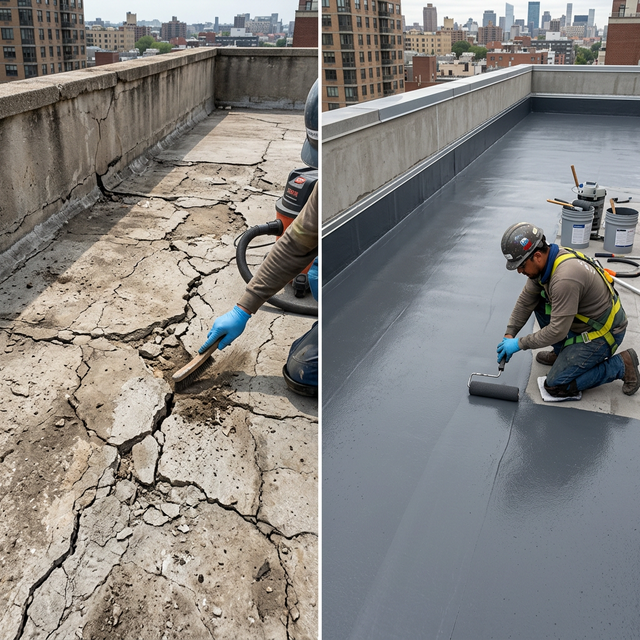
From dampness at ceiling levels to seepage in bathrooms — a comprehensive snag list guide for home buyers to ensure a hassle-free handover.
Read Full Article
Actual in-situ strength assessment is critical before Structural Designs & Structural Audits. Learn how the Schmidt Hammer provides vital data for design.
Read Full Article
Assessing concrete homogeneity and detecting internal voids using IS 13311 Part 1 guidelines for structural reliability.
Read Full Article
Compare different grouting systems for halting active leakage in critical structural areas like basements and retaining walls.
Read Full Article